
Wedding Planner Cost (2026)
Last reviewed November 1, 2026
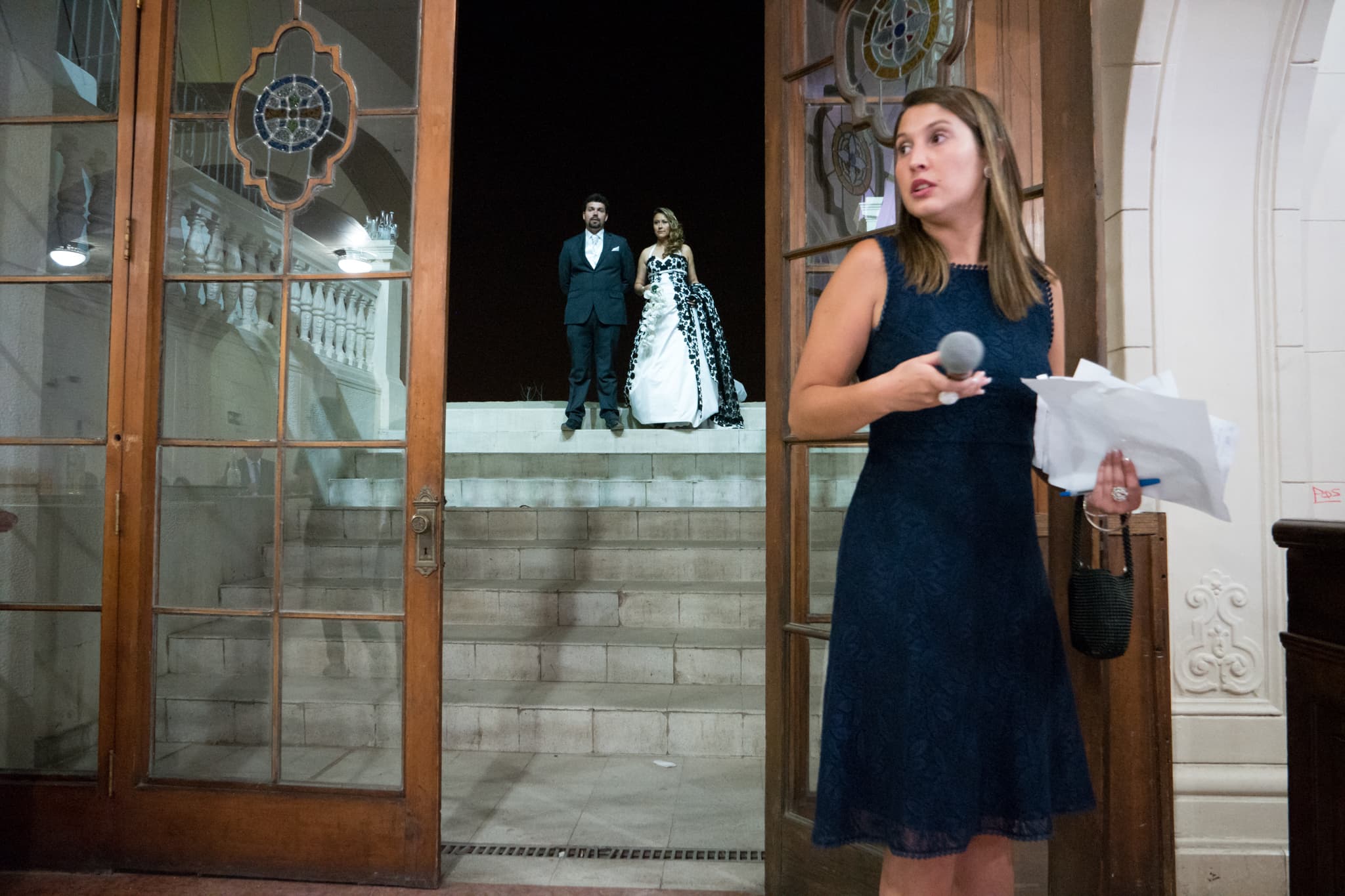
A wedding planner costs an average of $4,047 nationally, with most couples spending $3,200–$4,900 — per the Zola Wedding Cost Index. That's roughly 8% of a typical total wedding budget, and where you land inside (or outside) that range depends mostly on the service level you hire.
Cost by service level
| Service level | Typical cost | What you get |
|---|---|---|
| Day-of coordination | $800–$3,000 | Coordinator joins 4–6 weeks out: reviews contracts, confirms vendors, builds the minute-by-minute day-of timeline, and manages setup and event flow. |
| Partial planning | $1,500–$6,000 | Typically joins 3–6 months out — remaining vendor selection, design finalization, vendor coordination, and full day-of management. |
| Full-service planning | $4,000–$10,000+ | Start-to-finish: budget development, venue/vendor sourcing, design, contract management, timelines, and complete day-of coordination. |
Note: Zola's summary bullets quote partial planning at $2,500–$6,000 and day-of at $1,200–$2,500; the wider body-text ranges above are quoted as published, and the two day-of figures are shown separately rather than averaged.
What drives the price
- Location. Planners in expensive metros charge more: Zola cites a Manhattan average of $5,922 versus about $3,654 in St. Louis.
- Experience. Newer planners building portfolios charge less; 10+ year professionals with hundreds of weddings command premium rates — and bring vendor relationships that can offset the fee.
- Wedding size and complexity. More guests mean more vendors to coordinate; multi-day events and “blank canvas” venues (where every table, chair, and light fixture must be sourced) push costs higher.
- Season and timing. Peak season (May–October) and Saturday weddings carry premiums; planners may discount off-season or weekday dates.
- Add-on services. Rehearsal dinners, farewell brunches, destination-wedding logistics, and cultural or religious ceremony coordination increase cost beyond the base package.
How planners charge
| Model | How it works | Best for |
|---|---|---|
| Flat fee | One set price for a clearly defined package — the most common structure | Couples wanting predictable costs |
| Percentage of budget | Usually 10%–20% of the total wedding budget | Luxury or complex weddings |
| Hourly rate | $75 to $200+ per hour | Limited assistance — budget help or contract review |
If a planner quotes a percentage-based fee, Zola recommends clarifying in writing exactly which parts of the budget the percentage applies to before signing.
Ways to pay less
- Drop down a service level. If full-service is out of reach, partial planning covers the hectic final months, and day-of coordination gives you professional execution while you do the planning yourself.
- Book off-season. Planners discount slower dates to fill their calendars.
- Hire a rising planner. Newer planners charge less while establishing their reputations — ask for references from recent weddings.
- Use the free substitutes. Venue coordinators are often included with the venue, organized friends can help, and free digital tools (budget trackers, guest list managers, checklists) replicate much of the organizational work.
- Ask about payment plans. Spreading fees over several months keeps the cost manageable within your wedding budget timeline.
Related guides
Budgeting the rest of the day? See how much a wedding costs, the weddings cost hub, wedding venue cost, wedding DJ cost, and wedding florist cost.
FAQ
How much does a wedding planner cost in 2026?
The national average is $4,047 per Zola's Wedding Cost Index, with most couples spending $3,200–$4,900 for planning services — roughly 8% of a total wedding budget.
What's the difference between a planner and a day-of coordinator?
A full-service planner starts 12–18 months out and handles everything from budget to vendor contracts ($4,000–$10,000+). A day-of coordinator joins 4–6 weeks before the wedding, studies your plans, confirms vendors, and executes the day itself ($800–$3,000).
How do wedding planners charge?
Three common models: a flat fee for a defined package (the most common), a percentage of your total budget (usually 10–20%, common on high-end weddings), or an hourly rate ($75 to $200+ per hour) for limited help.
Can I get planner-level help for less?
Yes: venue coordinators (often included with the venue), an experienced friend or family member, and digital planning tools all substitute for part of the role. Off-season dates and newer planners building their portfolios also charge less.
Do I tip a wedding planner?
Tipping is not required, especially if the planner owns their business — but a $50–$200 tip per planner or coordinator is a kind gesture for exceptional service (Zola).